
Hockey’s ‘Icing’ Rule Explained: A Simple Guide for Confused Fans
Icing in hockey is when a player shoots the puck from their half of the ice across the opponent’s goal line without anyone touching it. It’s a defensive penalty.

The Designated Hitter (DH) Rule Explained: A Simple Guide to Baseball’s Big Debate
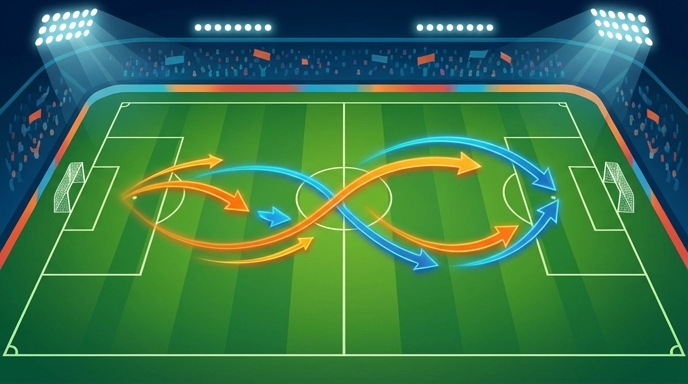
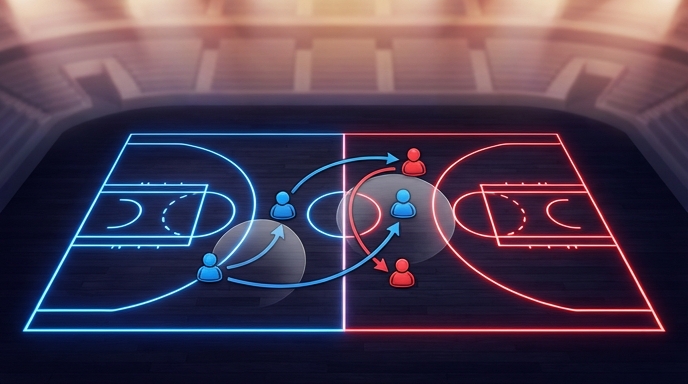
The Designated Hitter (DH) is a baseball rule that allows a team to use a player to bat in place of the pitcher. This player does not play a defensive position but adds offense to the lineup.
The Offside Rule in Soccer Explained: A Simple Guide for Fans
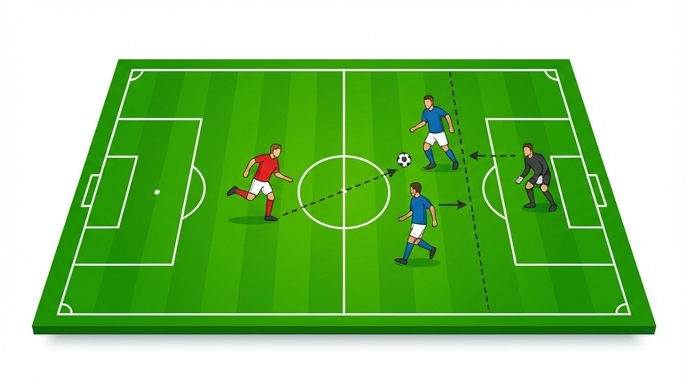
The offside rule in soccer prevents attacking players from simply waiting near the opponent’s goal. A player is in an offside position if they are nearer to the opponent’s goal line than both the ball and the second-to-last opponent when the ball is passed to them. They are only penalized if they become actively involved in the play.

Weak vs. Strong AI: Understanding the Two Futures of Artificial Intelligence
Discover the fundamental distinction between Weak AI (or Narrow AI), the specialized systems we use daily like Siri and Netflix recommendations, and Strong AI (Artificial General Intelligence), the theoretical AI with human-level consciousness.

What Is a ‘Context Window’ in AI? The Key to Smarter Chatbot Conversations
An AI’s ‘context window’ is its short-term memory, determining how much text it can consider at once. A larger window allows for longer, more coherent conversations.

RAG vs. Fine-Tuning: Which AI Training Method Is Right for You?
Deciding between RAG and fine-tuning for your AI? RAG is fast and current for external data, while fine-tuning is deep and stylistic. This guide breaks down the costs, benefits, and use cases for each.

Face ID vs. Fingerprint Scanners: Which Biometric Security Is Truly Safer?
Comparing Face ID and fingerprint scanners involves a trade-off between security and convenience. Advanced 3D facial recognition is generally harder to fool than many fingerprint sensors, but both are far more secure than a simple passcode.

Unlocking AI Creativity: How the ‘Temperature’ Setting Changes Everything
The temperature setting in a large language model (LLM) controls the randomness of its output. A low temperature makes the AI more deterministic and focused, while a high temperature encourages more creative and diverse results.
Zone Defense Explained: A Simple Guide to Basketball’s Team Strategy
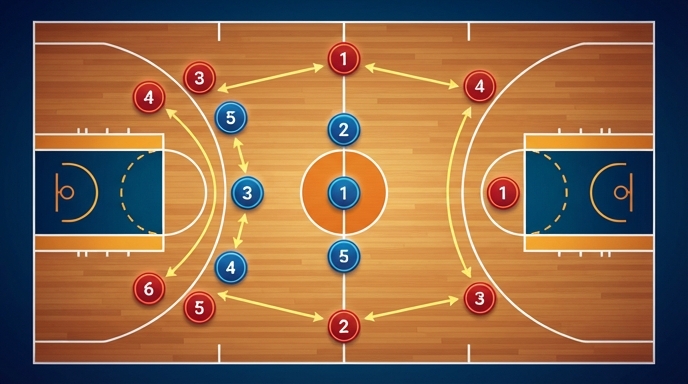
A zone defense is a defensive strategy in basketball where each player is responsible for guarding a specific area of the court, rather than a specific opposing player. The goal is to protect the basket, force outside shots, and create turnovers through coordinated team movement.

The ‘Heat Check’: A Deep Dive into Basketball’s Most Confident (and Risky) Shot
In basketball, a ‘heat check’ is a difficult, often ill-advised shot taken by a player who has just made several shots in a row. The player takes the shot to see if their hot streak, or ‘heat,’ is still active. It’s a pure test of confidence.

Icing in Hockey Explained: A Simple Guide to the Game’s Most Common Stoppage
Icing in hockey occurs when a player shoots the puck from their side of the center red line across the opposing team’s goal line without it being touched. The rule prevents teams from simply clearing the puck down the ice to relieve defensive pressure.
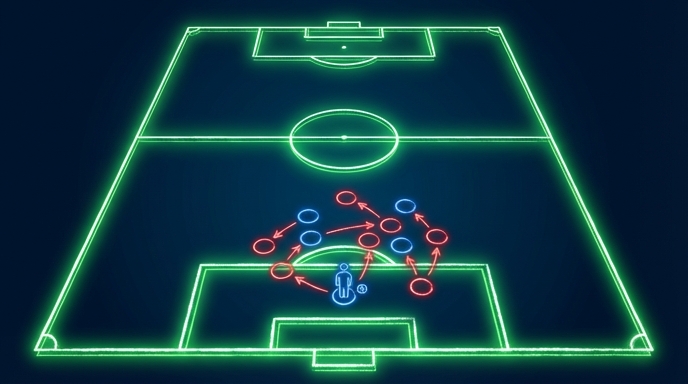
What Is ‘Gegenpressing’? The High-Energy Soccer Tactic Explained
Gegenpressing, or counter-pressing, is a soccer tactic where a team, upon losing possession, immediately pressures the opponent to win the ball back quickly.
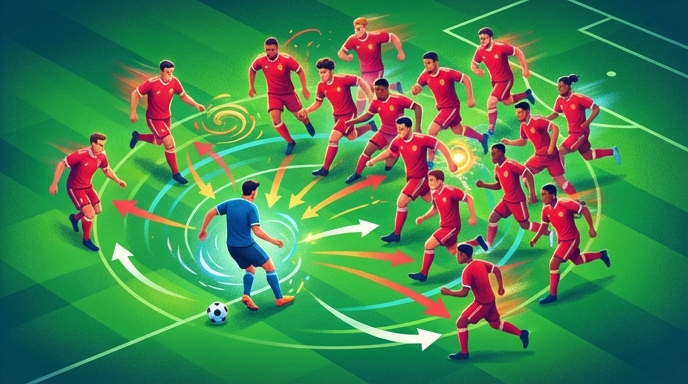
What is ‘Gegenpressing’? The High-Energy Soccer Tactic Explained
Gegenpressing, or counter-pressing, is a soccer tactic where a team, immediately after losing possession, swarms the opponent to win the ball back as quickly as possible, rather than falling back into a defensive shape. The goal is to exploit the opponent’s disorganized state right after they’ve won the ball.